SKY360 / THE JOURNAL
Planning a Drone Thermal Roof Inspection: What Building Owners Should Know
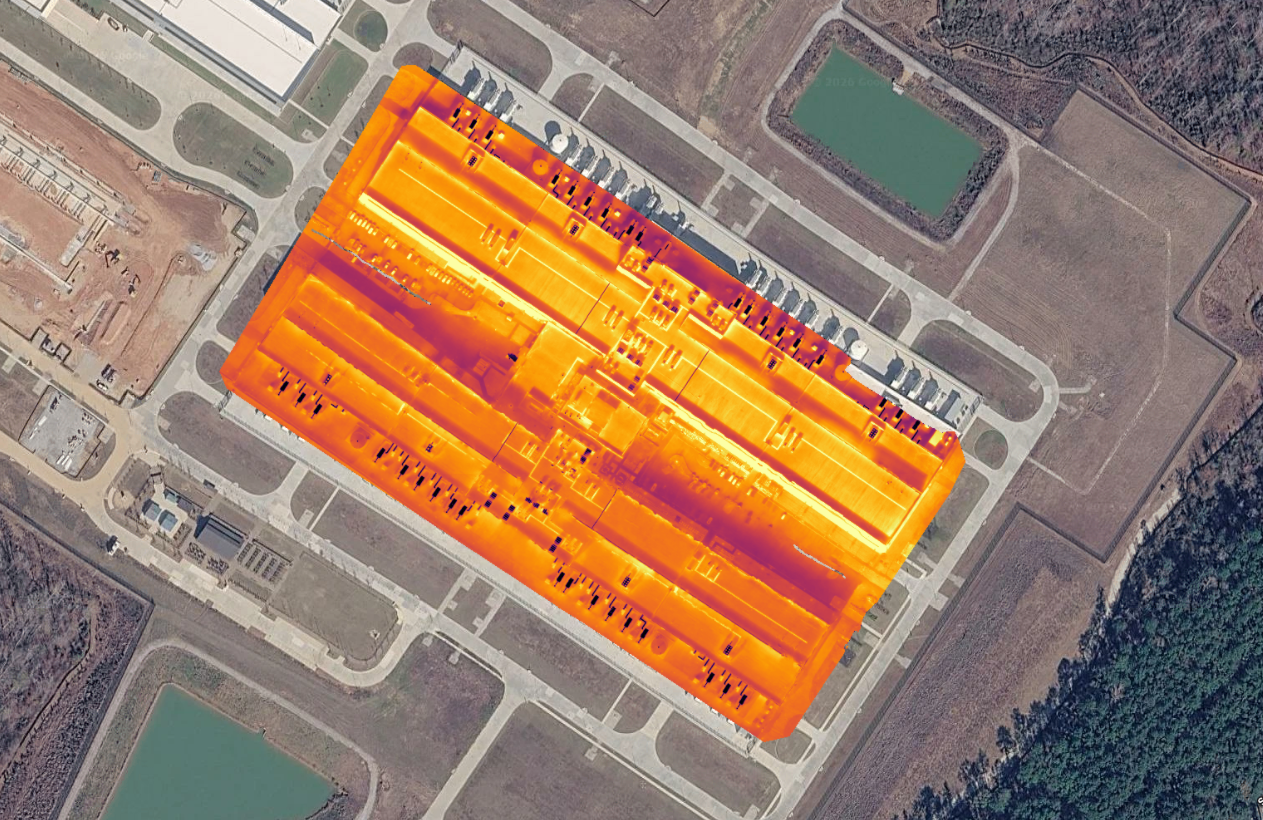
Thermal imaging / Commercial roof overview
A useful thermal roof inspection starts before the drone leaves the ground. The first task is to define the question: are you documenting a known concern, gathering a reference for maintenance planning, or identifying areas that need closer investigation?
For building owners and facility managers, a clear brief makes it easier to agree the capture, the supporting information, and what happens after delivery. Here is what to discuss before booking.
Start with the building and the objective
Send the property address, a roof plan if available, and a short description of the concern. A leak history, recent repairs, or a marked location can help the project team understand where attention is needed. Separate observations from assumptions: “water appeared above this ceiling” is more useful than treating a suspected roof defect as established.
Also identify who will use the result. A facility manager planning follow-up work may need a different presentation from a roofing contractor investigating a specific area. Agree the intended use before deciding what to capture.
Confirm whether the roof is a suitable candidate
Roof construction affects the usefulness of infrared imaging. The Snell Group explains that insulation type, roof assembly, and reflective surfaces can complicate interpretation. Provide construction records when available, and ask the imaging team to assess suitability rather than assuming every roof will produce the same kind of result.
Plan around conditions, not just availability
Thermal work depends on the temperature differences available at the time of capture. Recent sunshine, wind, surface moisture, and the building’s operating conditions can affect what is visible. Some roof-moisture investigations use an evening cooling period, but a particular time of day is not a universal recipe. Confirm the proposed conditions and allow room to reschedule if they are unsuitable.
InterNACHI’s roof-inspection guidance also emphasizes understanding the roof and conducting a visual assessment before interpreting thermal observations. Discuss how existing site information and visible imagery will support the thermal capture.
Agree the delivery before the flight
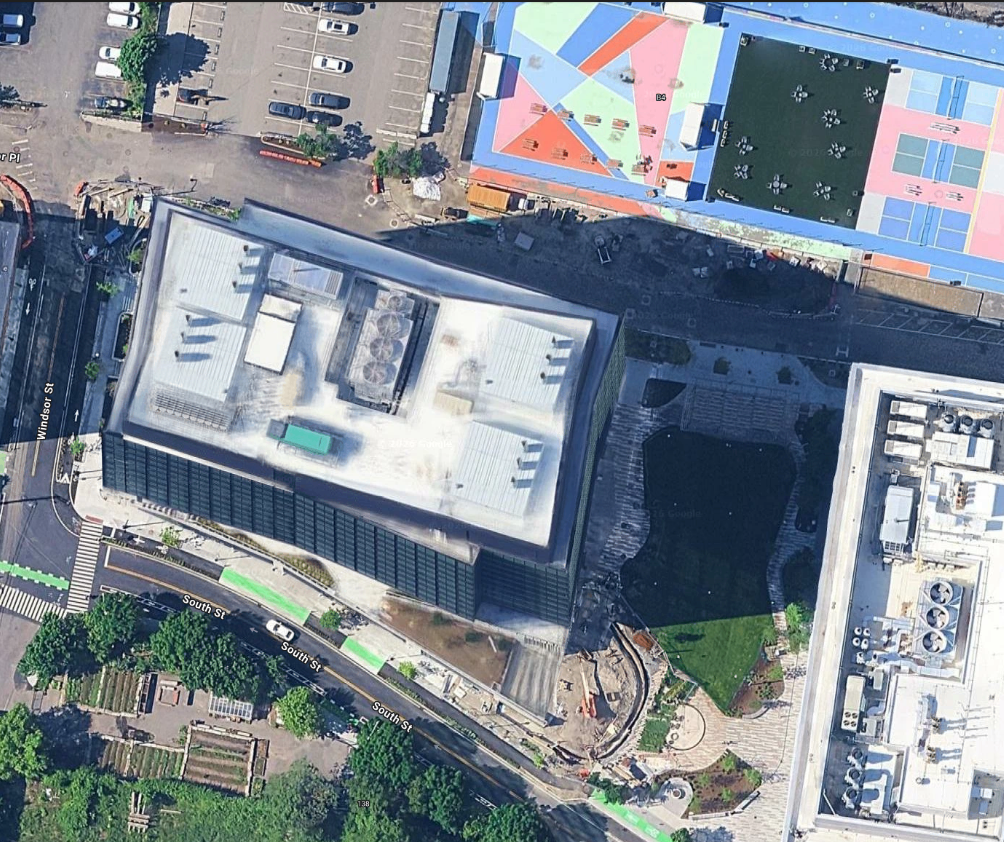
Ask what you will receive and how it connects back to the building. Useful questions include:
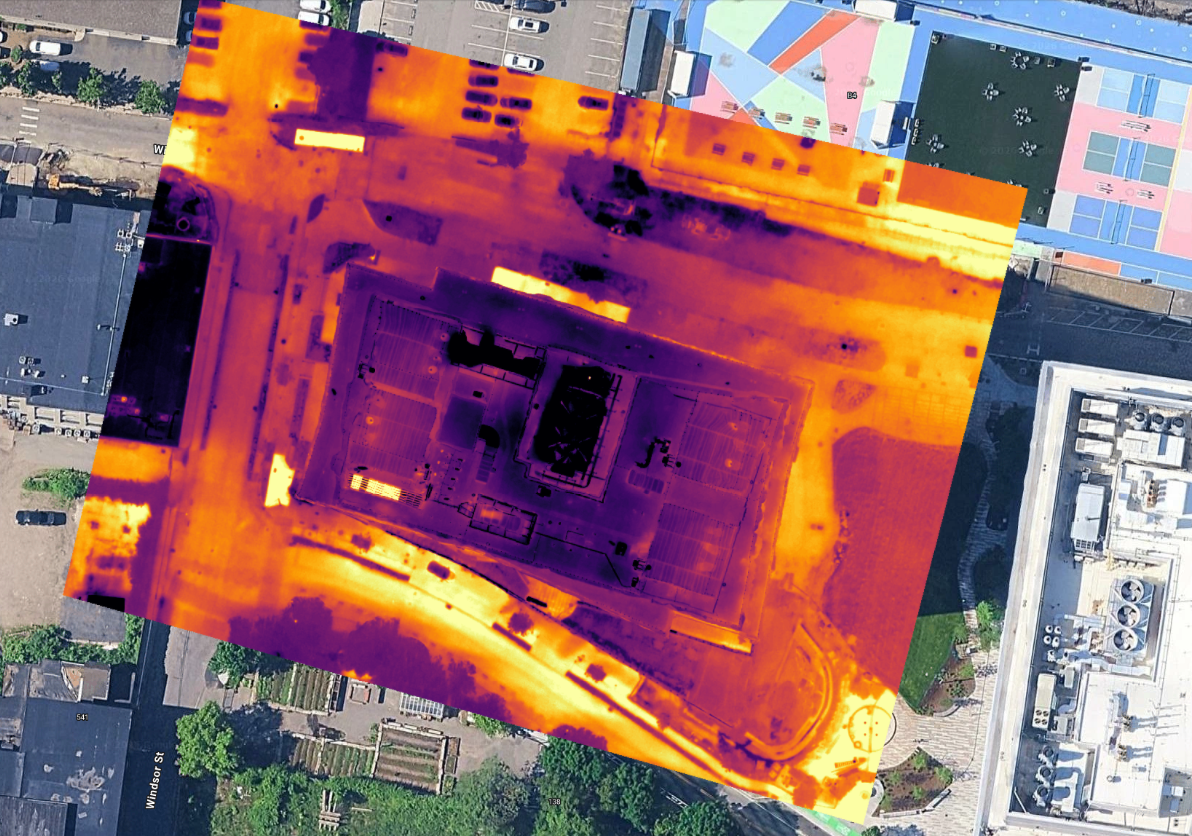
- Will visible photographs help locate the areas shown in thermal images?
- How will observations be labeled and organized?
- What capture information and interpretation limitations will accompany the material?
- Does the scope include interpretation, a written report, or imaging for another specialist to review?
- Who will determine whether follow-up testing or a roof-level inspection is needed?
These are scope questions, not a promise that every project includes every output. Resolve them in the proposal so your team knows how to use the delivery.
Treat a thermal pattern as a lead for investigation
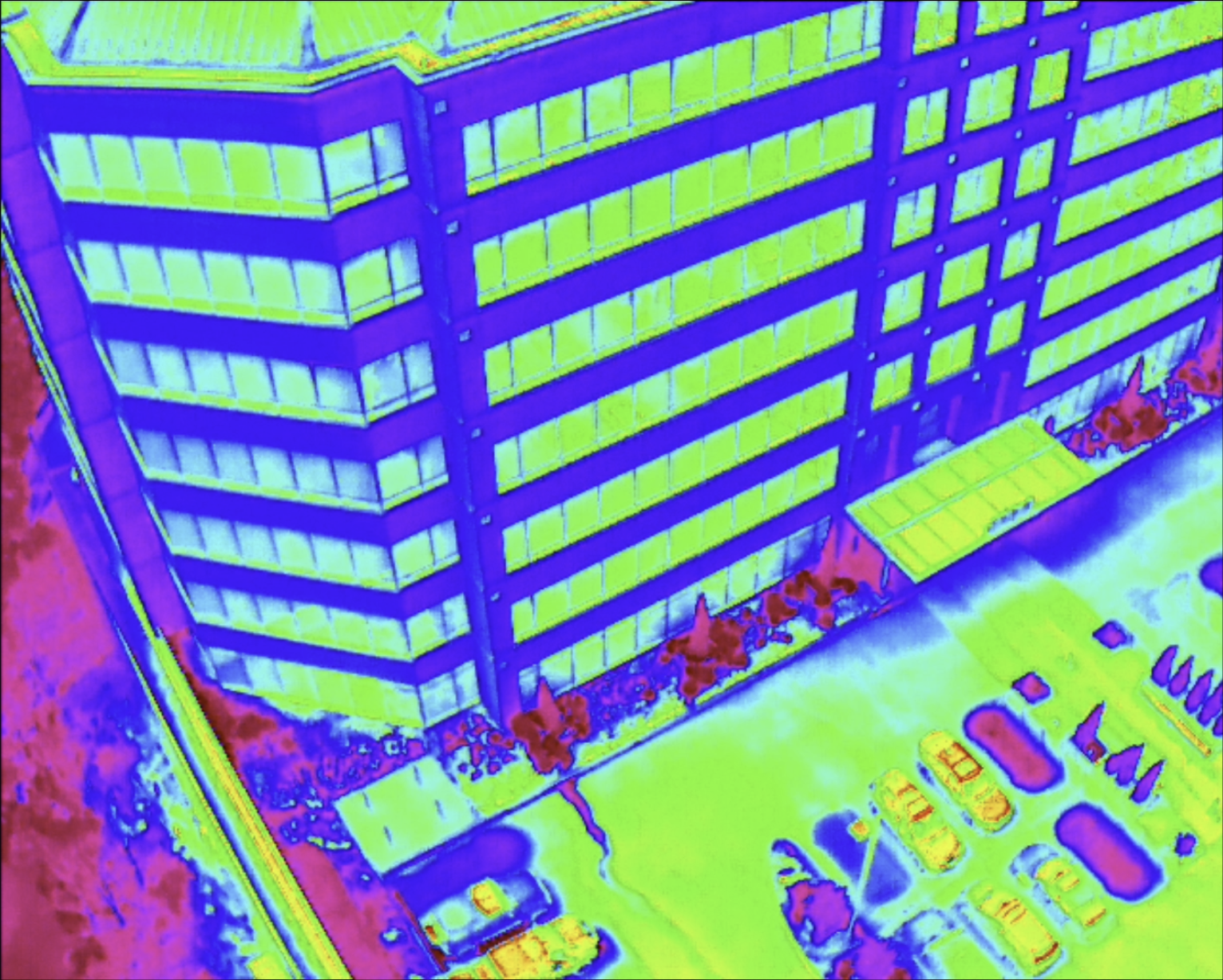
A thermal image shows apparent temperature patterns. It does not by itself establish a leak’s source or confirm the cause of an anomaly. InterNACHI describes follow-up investigation, including moisture-meter checks, as part of confirming suspected problem areas. Agree who will handle that next step and how the imaging will be shared with them.
A short brief to send before booking
- Property address and a site contact.
- Roof plans, assembly information, and known repair history, if available.
- The concern you want to investigate and the areas involved.
- Access arrangements, site activity, and scheduling constraints.
- The intended reader, required outputs, and follow-up plan.
Sky360 provides thermal imaging for buildings and assets across Georgia. Share the property and the question you need to explore so we can discuss an appropriate imaging scope. For broader context, read our introduction to thermal imaging and building performance.
Discuss a thermal imaging project with Sky360 →